Famxplor
Cimetière Marin
What to expect
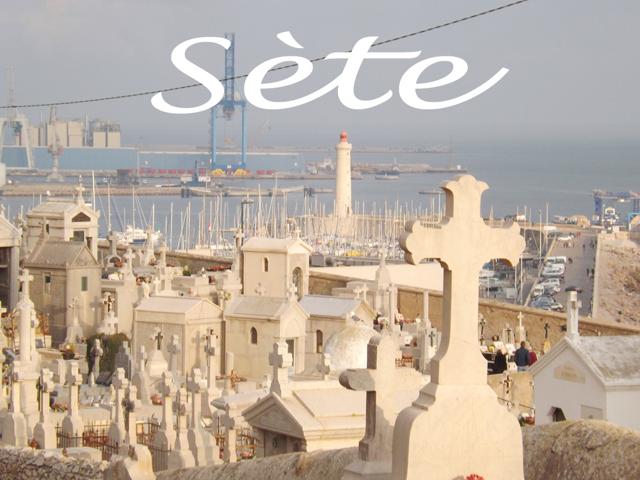
The Cimetière Marin, also known as Cimetière Saint-Charles, is a cemetery located in Sète, France. It was created in 1680 to bury the first workers who died during the construction of the Saint-Louis mole. The cemetery is a reflection of the diversity of the city's population over the centuries and has expanded over time, with one section reserved for the Protestant community, which played a crucial role in the development of the port in the 18th and 19th centuries. It is also known as the 'cemetery of the rich' in contrast to the 'cemetery of the poor' located near the Thau lagoon, where Georges Brassens is buried. Several graves recall the city's maritime vocation, such as those of pilots who disappeared while rescuing a ship in distress or the young naval aspirant Eugène Herber, who was killed in Beijing in 1900. The cemetery is also notable for its beautiful architectural chapels and is the final resting place of famous individuals, including Paul Valéry, who wrote a poem called 'Le Cimetière Marin' in 1920. The cemetery offers a unique glimpse into the history and culture of Sète and is a must-visit for those interested in exploring the city's rich heritage
Plan your family visit to the Cimetière Marin with these blog insights 👇

An afternoon in Sète // the view from Mont St Clair, the Notre-Dame de la Salette chapel, the Pierres Blanches forest, the Cimetière Marin and two lighthouses ! !